
Shaping the next era of low-carbon ironmaking: MIDREX’S PATH FORWARD IN 2026

KC WoodyPresident and Chief Executive Officer
Articles by KC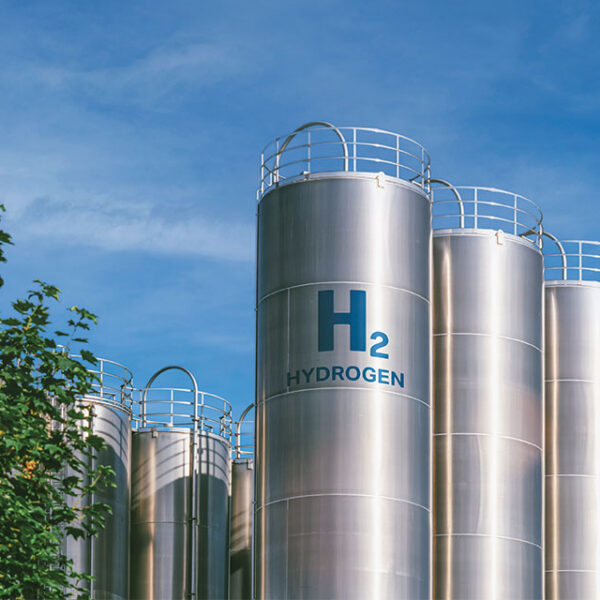
As 2026 begins, the steel industry is in a turbulent period. The industry is under pressure to remain competitive while trying to decarbonize. Costs remain high. Energy availability remains uneven. Raw materials and workforce capability continue to constrain decisions. Government subsidies or policies impact investment decisions throughout the world.
These pressures are now clearly shaping how the market is responding.
The market perspective is clear. It is not a question of whether steel decarbonizes. It is a question of how quickly and which pathways scale in the real world. At the current pace of decarbonization, demand for DRI is expected to grow by about 80-85 Mt to reach around 224 Mt by 2035. This growth is linked to expanding EAF capacity, tighter scrap availability, and regulatory frameworks such as the EU’s CBAM. This growth, however, is not evenly distributed across regions.
The Middle East and North Africa (MENA) region remains the leader for both consumption and exports of DRI/HBI. India continues to provide the greatest absolute demand, although production remains focused on coal-based reductants. Europe shows the sharpest growth as it continues to prepare for government regulatory frameworks. North America is expected to roughly double its requirements as flat-rolled EAF steelmaking capacity expands. China remains the wildcard, since even modest growth would materially affect seaborne HBI flows. Against this backdrop, attention is increasingly turning to how decarbonization will actually be achieved in a highly competitive market.
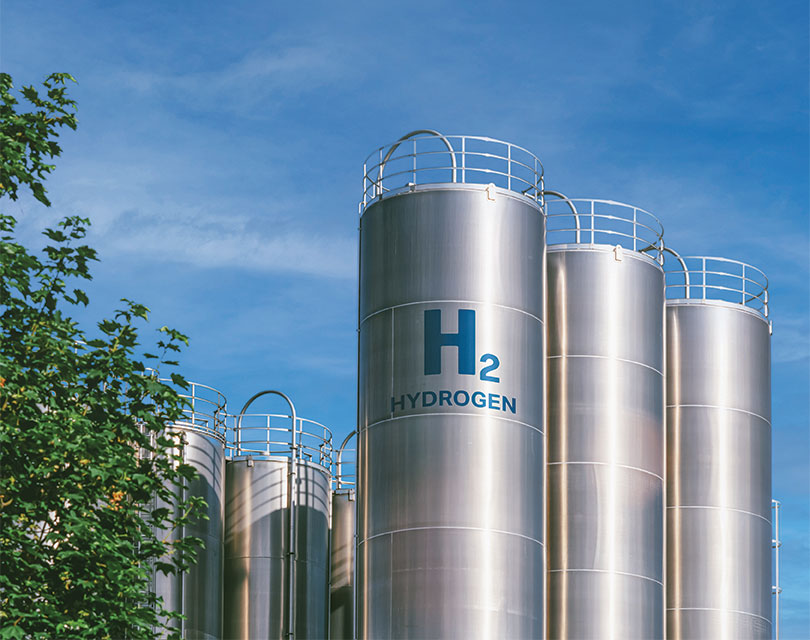
We see hydrogen-based steelmaking progressing, but many forecasts remain overly ambitious and underestimate the complexity of deployment. Several steelmakers and newcomers continue to advance lighthouse projects, but many “H2 now” plans are being delayed or scaled back. Renewable infrastructure remains limited, and policy frameworks are still evolving. Capital costs and supply constraints remain high. Taken together, these factors are reshaping near-term decision-making across the industry.
The bottom line is straightforward. Hydrogen is only competitive in a few geographical areas or where government intervention is done, and more cost-effective near-term options are gaining attention. A focus on solutions that can make a meaningful step in lowering carbon emissions through use of natural gas can be made now and transition to hydrogen as it becomes available at a more competitive price. For more than 50 years, Midrex has delivered technology that helped our clients deliver a world-class product in an economically competitive manner. Today, that means providing flexible technical solutions, strong service, and support that helps steelmakers make confident decisions that allow them to be competitive today and in the future.
Innovation, digitalization, and continuous improvement
Innovation at Midrex is deliberate and practical. Each improvement must support safe and reliable operations while improving performance in some way.
Increasingly, opportunity comes not only from equipment, but optimizing performance through the use of plant data. Digitalization is becoming much more critical to operating a world class ironmaking facility.
Steelmakers face narrower operating windows, greater raw material variability, and stringent customer demands. They are under pressure to optimize assets in real time while maintaining the highest product quality. That requires a continuous, data-driven view of what is happening in the plant, why it is happening, and how to intervene before an issue escalates into downtime, inefficiency, or loss of process control.
Midrex is focused on leveraging our 50 years of know-how, large repository of data, and practical experience to deliver solutions that combine strong engineering with actionable digital insight. We strive to support our family of licensees to continuously improve performance and establish new industry leading benchmarks for safety, product quality, and availability. Delivering on these goals depends as much on people as on technology.
A Growing Family
As demands on DRI plants continue to intensify, the company continues to invest in our global team leveraging a talented global workforce while maintaining the culture of the company that has been leading the Direct Reduction Market for over 50 years.
Looking Ahead
As we look to the future, we see that the market drivers for Direct Reduction remain strong. Traditional drivers of the market, like EAF Steelmaking, continue to grow, while decarbonization begins to accelerate demand in certain regions. All of these forces point to the fact that DRI demand will continue to grow. As we are wrapping up the first quarter of 2026, the team at Midrex is excited about the opportunities and remains focused on delivering world class products and services that will support our customers now and in the future.
Related Reading
 Mar 25, 2026
 Mar 25, 2026