After plant commissioning, the partnership continues through our services group known as Midrex Global Solutions. The active involvement of Midrex in plant design, supply, operation, and maintenance assures clients that their investment is protected, and their plants will have long and productive lives.
Midrex Global Solutions – from our headquarters in Charlotte and our global office in Dubai – is uniquely capable of providing combinations of custom designed equipment and specialized, in-depth services to drive the following:
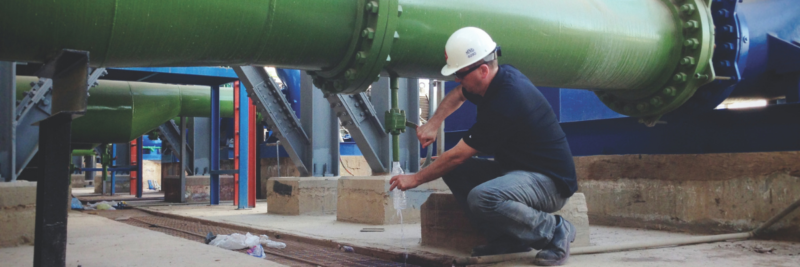
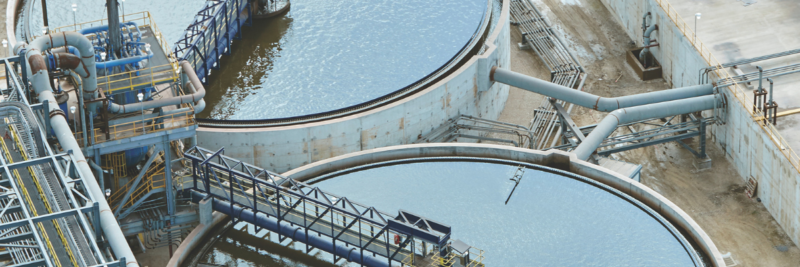
Optimization of both productivity (tons per hour produced) and availability (hours of plant operation per year) is essential for plant profitability. For instance, downtime for maintenance and remediation of water systems that become impacted with iron oxide fouling and/or calcium carbonate scaling result in lost production hours. What if the scaling and fouling levels were significantly reduced so that cleaning time each year dropped by 50-75%? Other areas for productivity and availability improvements include operator and maintenance staff training and equipment predictive maintenance.
Through extensive technology development efforts and close cooperation with MIDREX Process Licensees, Midrex has developed various methods to enhance product quality. The benefits include higher product metallization, hot DRI transported to the EAF melt shop, adjustable carbon content, and fines generation.
Optimization keeps a plant at peak operating efficiency and plant personnel at maximum effectiveness. How a plant is optimized can take many forms: minimizing process variation and human error, reducing waste, improving energy efficiency, ensuring equipment is operated properly, and upgrading the knowledge and skills of personnel. This requires frequent measurement of the performance of installed equipment, systems, and staff, and is used to determine recommended actions. Prudent operating practices enable the plant to operate at a superior level for decades.
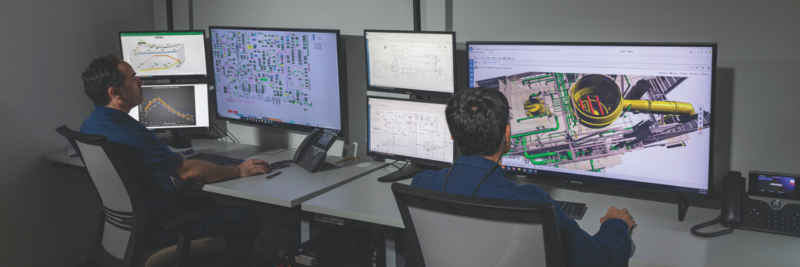
Enhancing and protecting assets and quality management go hand-in-hand. A plant operated and maintained by well-trained personnel will be more productive and less likely to require cost repairs. The use of guaranteed Midrex OEM parts, equipment, and materials is instrumental in keeping the plant running as designed at the lowest cost. The use of advanced monitoring and signaling devices allows plant personnel to gather and more quickly analyze large amounts of data on which to make critical decisions that can affect plant performance, safety, environmental integrity, and product quality.
Learn More About Midrex Global Solutions
Contact us at solutions@midrex.com to learn more.
Download Brochure